
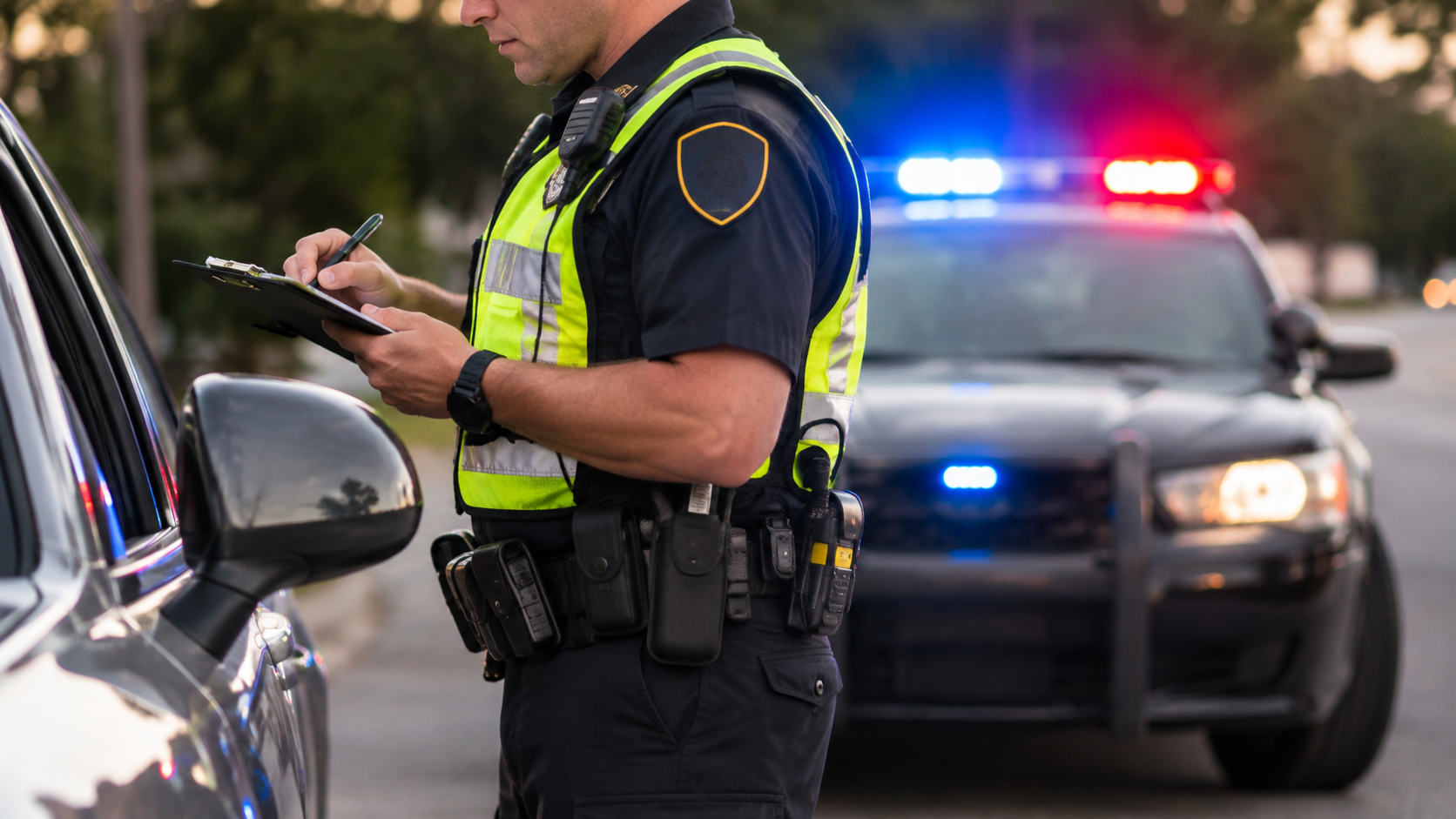
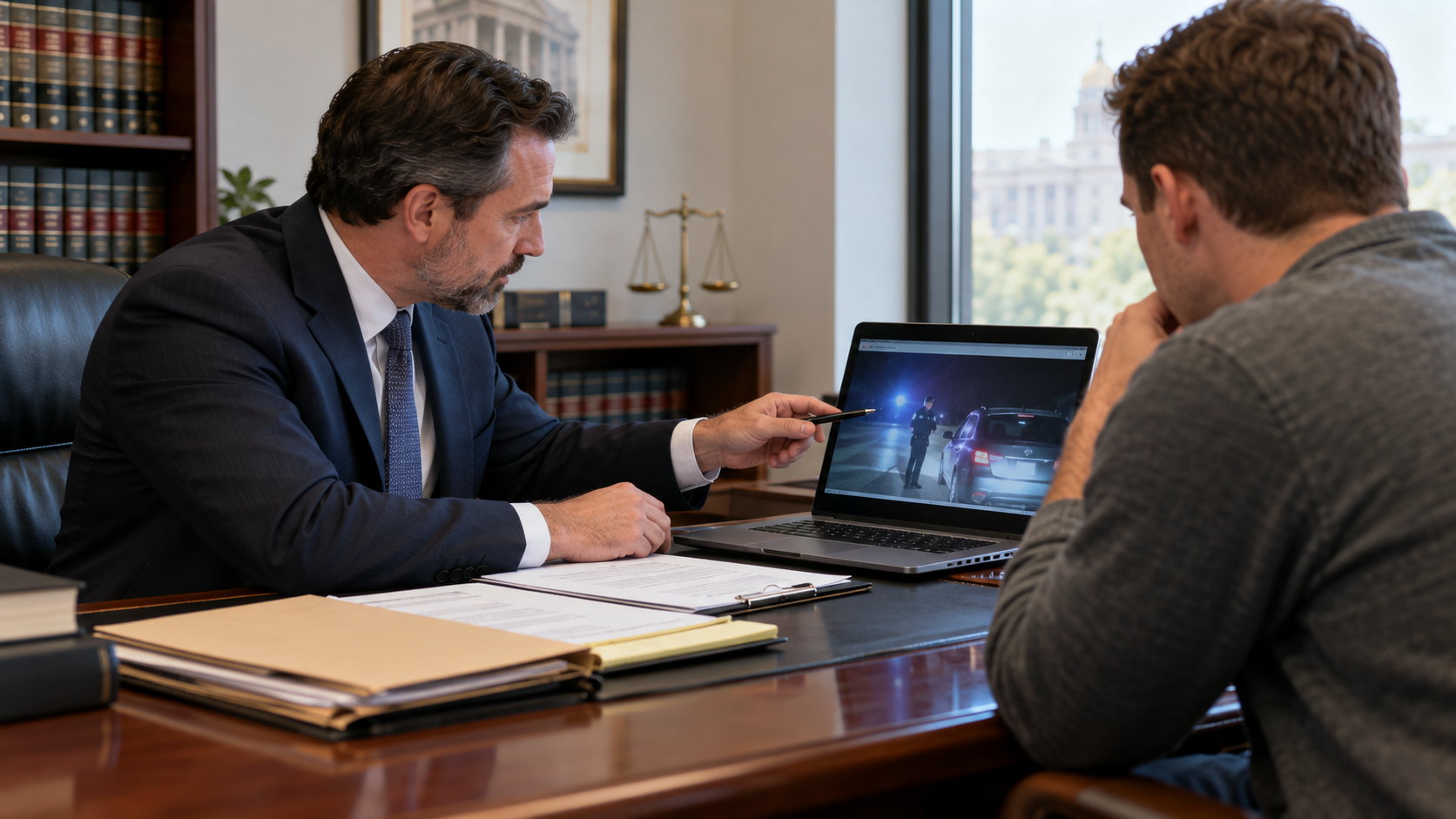
A breath test can look hard to argue with until someone checks how it was done. The same goes for police reports, roadside tests, and video from the traffic stop. When you're facing an OVI charge, these details can make a real difference for your license, job, and future. An OVI attorney in Sidney, OH can dig into the evidence and spot problems you may never know to look for. Kelly Law Offices helps people challenge questionable evidence and make sure their side of the story gets heard. Sometimes that means finding mistakes in testing procedures or asking a judge to keep certain evidence out of court. You shouldn't have to accept every claim in a police report without knowing if the facts support it. Here's how challenging the evidence can change the direction of your Ohio OVI case. Key Takeaways A traffic stop may seem routine, but the reason behind it could change your case. Breath tests, police reports, and video footage don't always tell the same story. A DUI lawyer can challenge weak evidence and push for a fairer outcome. Police Reports Don't Always Tell the Full Story An officer's written account may leave out details that could help your case. Bodycam footage might show you walking steadily or answering questions without trouble. Those moments can raise doubts about claims made in the police report . Your DUI lawyer can compare the recording with the officer's statements. Any differences may help challenge how the officer judged your behavior. A judge may then have reason to question how much weight those observations deserve. Small Testing Mistakes Can Make a Difference Uneven pavement or poor lighting can make roadside sobriety tests harder. An officer's unclear instructions may also affect how you perform. An OVI attorney in Sidney, OH, can review these details and question the test results. Kelly Law Offices examines how officers conduct sobriety tests and record mistakes. Medical conditions or injuries may explain trouble with balance or movement. These findings can help your lawyer challenge unreliable results and question their use in court. A Successful Challenge Can Open New Doors Winning a challenge against key evidence can change the course of your OVI case. Prosecutors may have a harder time proving the charges without that evidence. This could give your lawyer more room to discuss a plea deal. A favorable court ruling may also create new options for your defense. Your attorney could seek dismissal if the remaining evidence cannot support the charges. Every case is different, but questioning weak evidence gives you a chance to fight for a fair outcome. Put the Proof to the Test With an OVI Attorney in Sidney, OH A police report may help build an OVI case, but that doesn't mean every detail is beyond question. Kelly Law Offices examines the evidence, looks for mistakes that could affect your defense, and challenges claims that don't hold up under review. Before assuming the evidence is stacked against you, speak with an attorney who can help you understand your options and protect your future. Frequently Asked Questions Can an OVI case continue if the breath test gets thrown out? Yes, prosecutors may still use police observations, video footage, and other evidence to support the charge. A DUI lawyer can review what remains and look for ways to challenge the case. How can I get the bodycam footage from my OVI arrest? Your DUI lawyer can request available bodycam footage through the criminal discovery process. Reviewing this video may reveal details that were left out of the police report or help explain your actions during the arrest. What happens if my blood test records are incomplete? Missing records may raise questions about how your blood sample was collected, handled, or tested. Your attorney can investigate these gaps and determine whether they provide grounds to challenge the test results.
The body content of your post goes here. To edit this text, click on it and delete this default text and start typing your own or paste your own from a different source.

An OVI charge can change direction fast when past cases and current facts come together. An OVI lawyer in Lima, OH, can help you understand what may affect the level of the charge. Kelly Law Offices looks closely at the full picture before the case moves forward. Felony OVI cases often depend on more than what happened during one traffic stop. Old records, court history, and the way the state counts past offenses can all shape what comes next. Early legal help gives you a better chance to question weak claims and protect your future. Learn more about the factors that can turn an OVI charge into a felony. Key Takeaways Past OVI convictions can carry more weight than many drivers expect. Old records and filing dates can change how the state builds the case. A high test result alone does not always decide whether the charge becomes a felony. The Twenty-Year Reach Old OVI cases may still affect a new charge many years later. Five or more qualifying convictions within twenty years can raise the case to a fourth-degree felony . That wider time frame may bring older offenses back into the count. Every past case still needs to meet Ohio’s rules before it belongs in the total. Missing records, filing mistakes, or a poor match could change how the state views the history. A careful review may reveal problems in the felony claim. A Prior Felony Never Expires A felony OVI from the past can raise the stakes of a later case in Ohio. Years passing will not remove its effect on the charge level. That single conviction may lead to a third-degree felony. Court history becomes a key part of the case when prosecutors find a prior felony OVI. Older misdemeanor offenses do not carry the same lasting force. Reviewing the original file may uncover errors in how the conviction was used. The Date Math Matters Exact dates can decide where an OVI case is filed. The new alleged offense sets the point used to review the ten-year and twenty-year periods. A rough count can miss a case that sits close to either deadline. Conviction dates should be checked line by line against the court record. One wrong entry may raise the charge when it should stay at a lower level. Careful date review helps catch errors before they shape the rest of the case. Get Ahead of the Charge With an OVI Lawyer in Lima, OH Felony OVI cases often turn on details hidden in old records, court dates, and past convictions. Kelly Law Offices reviews the full history and challenges weak claims before they gain ground. Early action can help you face the charge with a clearer plan and a stronger defense. Frequently Asked Questions Can an out-of-state OVI conviction raise a new Ohio charge? Yes, Ohio can count certain out-of-state convictions when the old offense closely matches state OVI law. A review of the prior case may reveal differences that affect whether it belongs in the felony count. What happens if prosecutors cannot prove an old OVI conviction? The state may have trouble using that conviction to increase the level of the new charge. Missing records, identity errors, or unclear court documents can create room to challenge the count. Can a crash lead to felony charges even if the OVI stays a misdemeanor? Yes, a serious injury or death can lead to separate felony charges tied to the crash. Those charges follow different rules and can raise the stakes far beyond the OVI count.
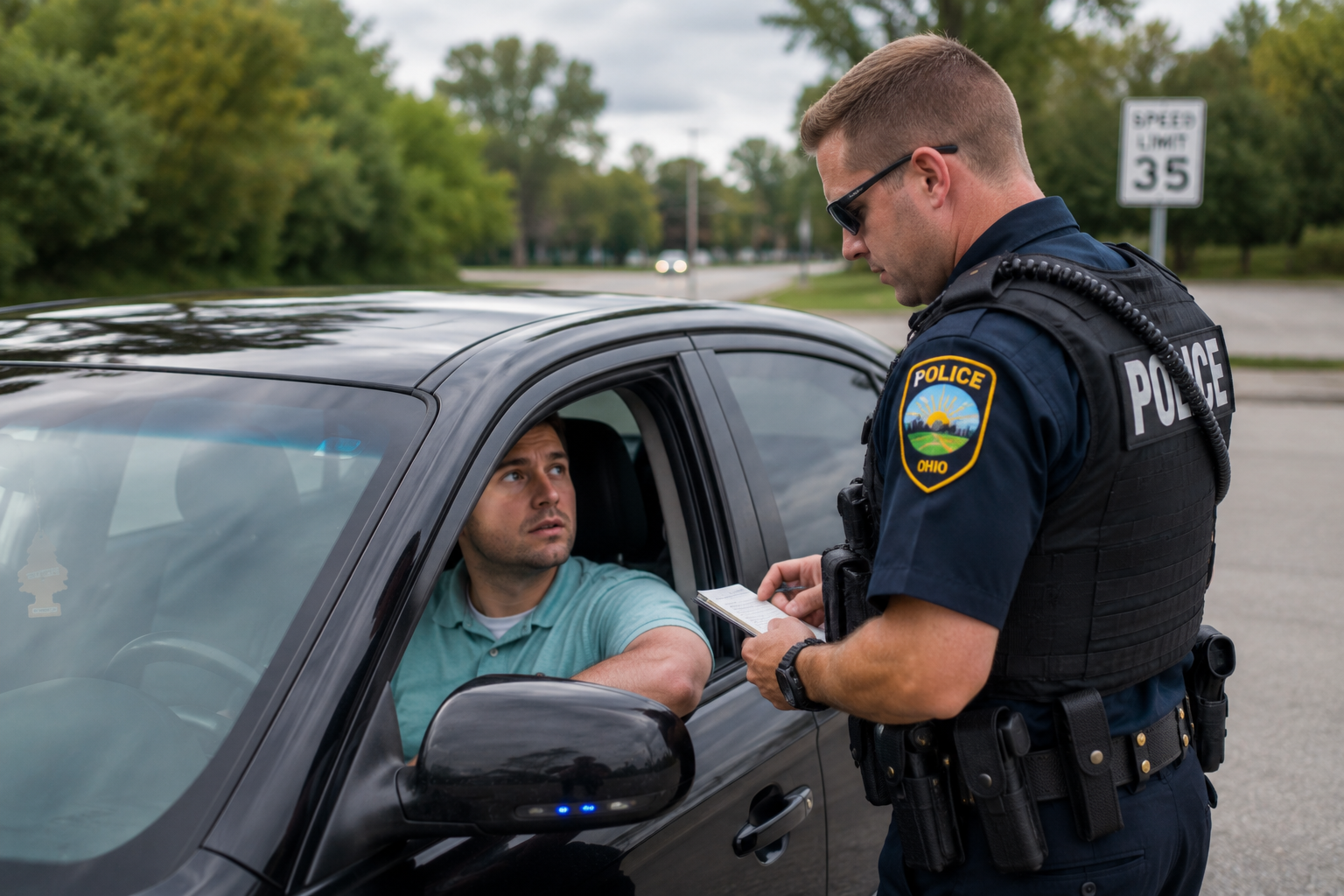
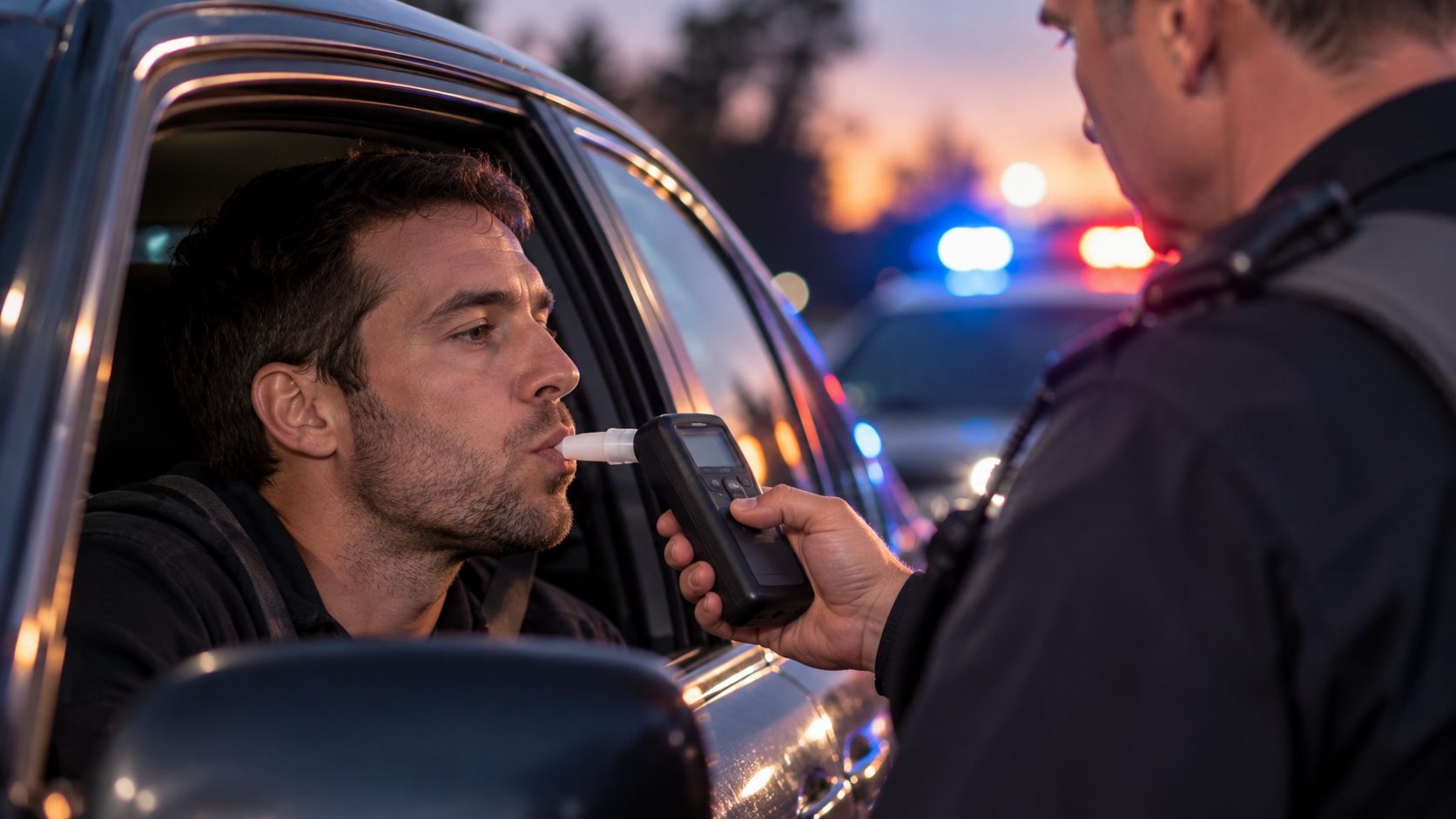
An OVI stop can seem simple at first, but the smallest details can change the case. Police need more than a guess before they stop, test, or arrest a driver. That is where probable cause becomes one of the most important parts of the case. A quick lane drift, tired eyes, or shaky balance does not always mean someone was driving impaired. Real life is messy, and traffic stops do not happen in perfect conditions. An OVI lawyer in Troy, OH, can look at the full story, not just the version written in the police report. Kelly Law Offices helps drivers review what happened before, during, and after an OVI arrest. Keep reading to learn more about what every Ohio driver should know about probable cause. Key Takeaways Probable cause can come from small details that deserve a closer look. A stop, test, or arrest may be challenged when the facts do not line up. Breath tests, bodycam footage, and police reports can each tell a different story. The Stop Has to Stand on Its Own A stop can shape the whole case before any test begins. Police need a real reason before they pull a driver over in Ohio. That reason should come from what the officer saw , not a hunch after the fact. Small driving mistakes do not always point to impaired driving. Poor weather, road shape, or a quick distraction can change what the officer thought they saw. When the reason for the stop does not hold up, the rest of the OVI case may need a closer look. Small Details Can Build the Arrest Probable cause can grow piece by piece during a stop. An officer may write down things like odor, red eyes, slow speech, balance trouble, or driving mistakes. Those notes can become the story used to support the arrest. Each detail should still be checked against what really happened. Tiredness, nerves, weather, medical issues, or poor lighting can affect how someone looks or acts. A closer review may show that the arrest was based on weak signs instead of solid proof . Field Tests Can Tell Two Stories Roadside tests can look simple, but the setup matters a lot. Poor lighting, rough pavement, and unclear directions can make a sober person look unsure. Results should be viewed with the whole scene in mind, not just a checkmark in a report. Weather can also change how a person walks, turns, or stands still. Shoes, nerves, pain, or health issues may affect the way someone performs during the test. That is why a defense lawyer may question whether the test showed impairment or just a bad testing situation. Ready to Hire an OVI Lawyer in Troy, OH? Probable cause can shape an OVI case long before anyone steps into court. A weak stop, rushed test, or thin police report may leave room to question what really happened. Kelly Law Offices helps drivers take a closer look at those details so they do not have to accept the case at face value. Frequently Asked Questions Can an OVI case be challenged if the officer missed key details? Yes, an OVI case may be challenged if the officer’s report leaves out facts that matter. Bodycam footage, driving behavior, and test conditions may show a different picture than the written report. What makes probable cause weak in an OVI arrest? Probable cause may be weak when the stop, field tests, or arrest rely on thin or unclear facts. A brief driving mistake, nervous behavior, or poor testing conditions may not tell the full story. Why should I review the traffic stop before accepting an OVI charge? The traffic stop can shape the rest of the OVI case. If the stop was not supported by valid facts, the evidence that came after it may deserve a closer look.
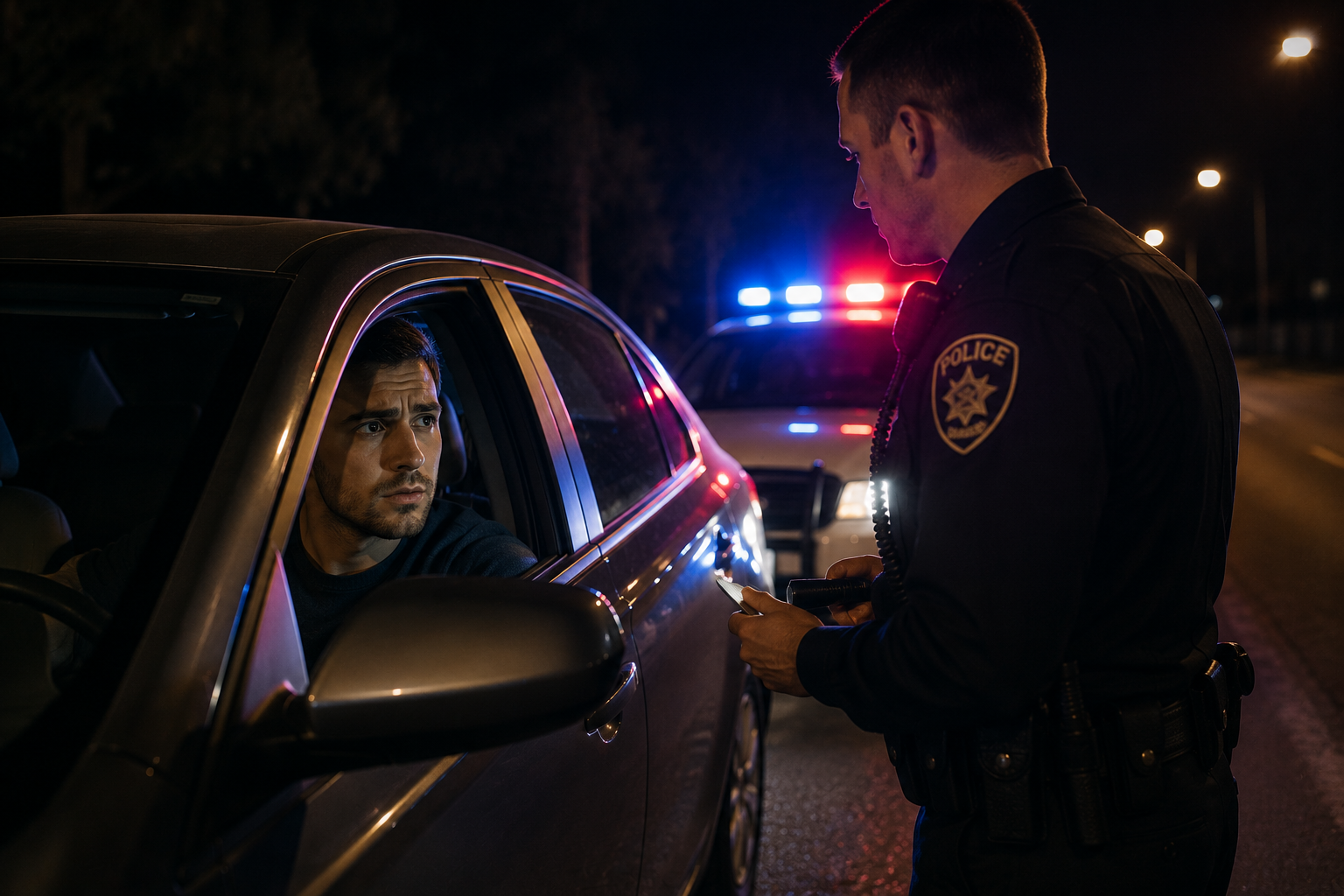
A DUI stop can look solid on paper but still have cracks beneath the surface. Police reports, roadside tests, breath results, and video footage do not always tell the same story. That is where the details start to matter. One rushed choice by an officer can change your license, your job, and your peace of mind. A DUI lawyer in Sidney, OH, can look past the surface and ask the questions most people do not know to ask. The team at Kelly Law Offices helps drivers understand what happened, what may have gone wrong, and what options may still be on the table. You do not have to accept every claim in the report as fact. Some DUI cases are weaker than they first appear. Here are the reasons a DUI stop may not hold up in court. Key Takeaway A DUI stop can fall apart when the officer’s reason for pulling you over is too weak or too vague. Video footage, test conditions, and paperwork can tell a very different story than the police report. Breath tests, field sobriety tests, and arrest decisions are not always as solid as they seem. The Stop Started With a Weak Reason A DUI case can start to crack before any test happens. An officer needs a clear reason for the traffic stop, such as unsafe driving, a traffic violation, or specific facts that can be explained. A late drive, a hunch, or leaving a bar does not prove the stop was lawful. Weak stops can change the whole case. If the first reason does not hold up, the evidence gathered after it may face serious questions. That is why a DUI lawyer looks closely at the moment the officer decided to pull the driver over. The Sobriety Test Was Set Up to Fail Roadside tests can make a sober person look unsteady. Cracked pavement, flashing lights, loud traffic, rain, or cold wind can throw off balance and focus. Health issues, nerves, and shoes can also affect how someone walks, turns, or stands. Bad test conditions can weaken the officer’s claims. A poor result may show stress, pain, or a rough setting instead of impairment. That is why the test location, weather, instructions, and video footage all deserve a close look. The Paper Trail Has Gaps Records can reveal problems that the report tries to smooth over. Missing logs, unclear times, and incomplete forms can make the state’s story harder to trust. Every test result needs a clear path that shows when it happened, who handled it, and how it was recorded. Paperwork mistakes can matter more than people think. Loose evidence records or weak chain of custody can raise doubt about what really happened. Careful review by a DUI lawyer can expose gaps that may change the strength of the case. You Need to Seek the Help of a DUI Lawyer in Sidney, OH A DUI stop can feel final, but it may have weak spots. Kelly Law Offices can review the stop, the tests, the video, and the paperwork. Before you accept the report as fact, let a legal team look for what others may miss. Frequently Asked Questions Can a DUI case be dismissed before trial? Yes, a DUI case may be challenged before trial if the stop, tests, evidence, or reports have serious problems. A DUI lawyer can review the details and look for weak points that may reduce or hurt the case. What should I look for after a DUI arrest? Look for anything that does not match, such as unclear police reasons, bad test conditions, missing paperwork, or video that tells a different story. Small details can matter because the state must prove the case with reliable evidence. Do field sobriety tests prove someone was drunk? No, field sobriety tests do not always prove someone was drunk. Poor lighting, uneven ground, weather, nerves, pain, or medical issues can affect how a person performs during the test.
Beat Your Charges With the Help of the Right DUI Attorney
What Counts as Probable Cause for a DUI Stop? Getting stopped for suspected DUI doesn’t always play out the way people expect. Sometimes it starts with a small mistake or something that doesn’t even seem related to drinking. Officers look for certain patterns, but those patterns aren’t always clear or fair.
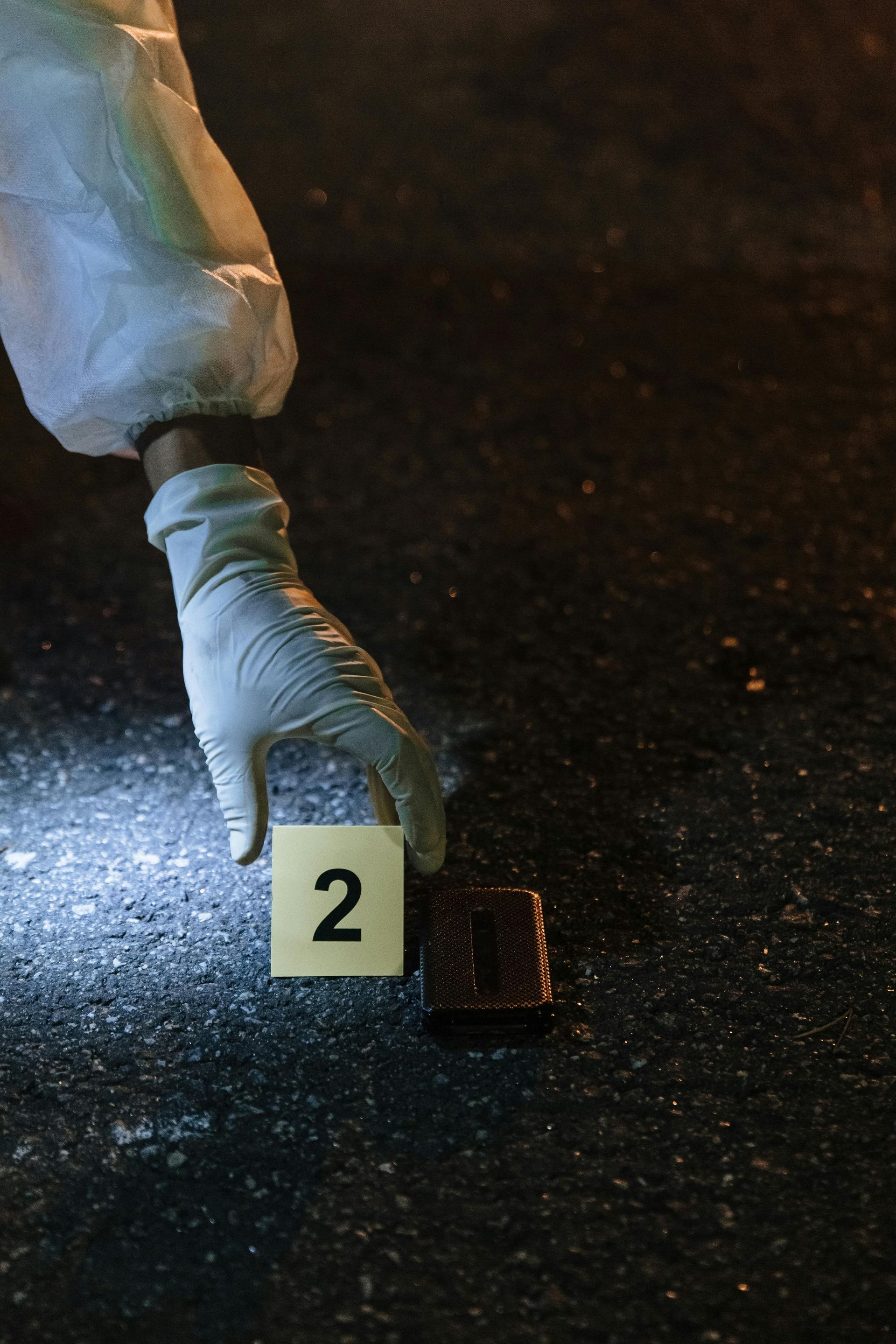
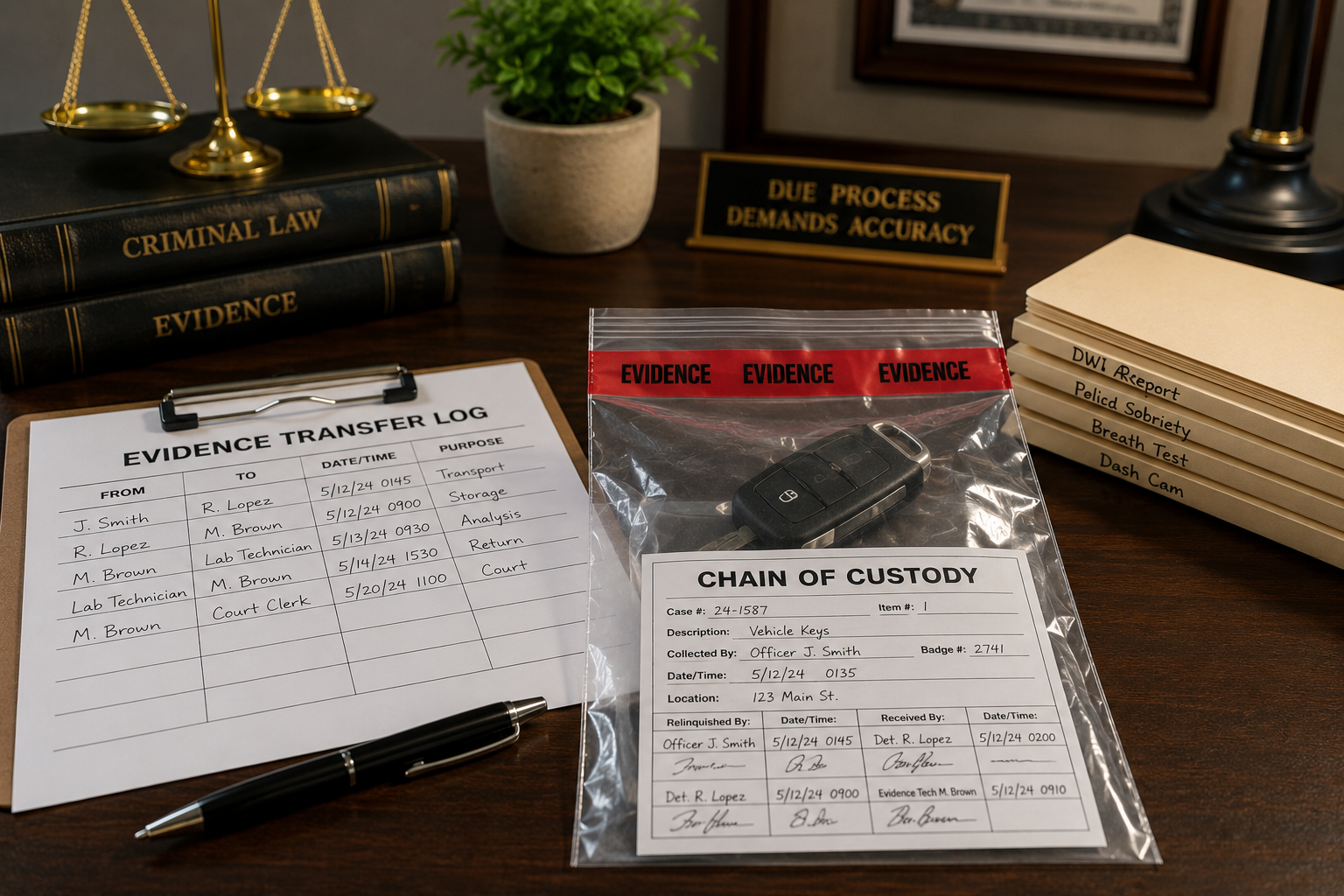
When To Challenge Chain Of Custody In a DUI Case Chain of custody issues can seriously affect the outcome of a DUI case. When evidence isn’t handled or documented properly, it opens the door to doubt. These are the kinds of details that often slip through the cracks unless someone knows where to look.
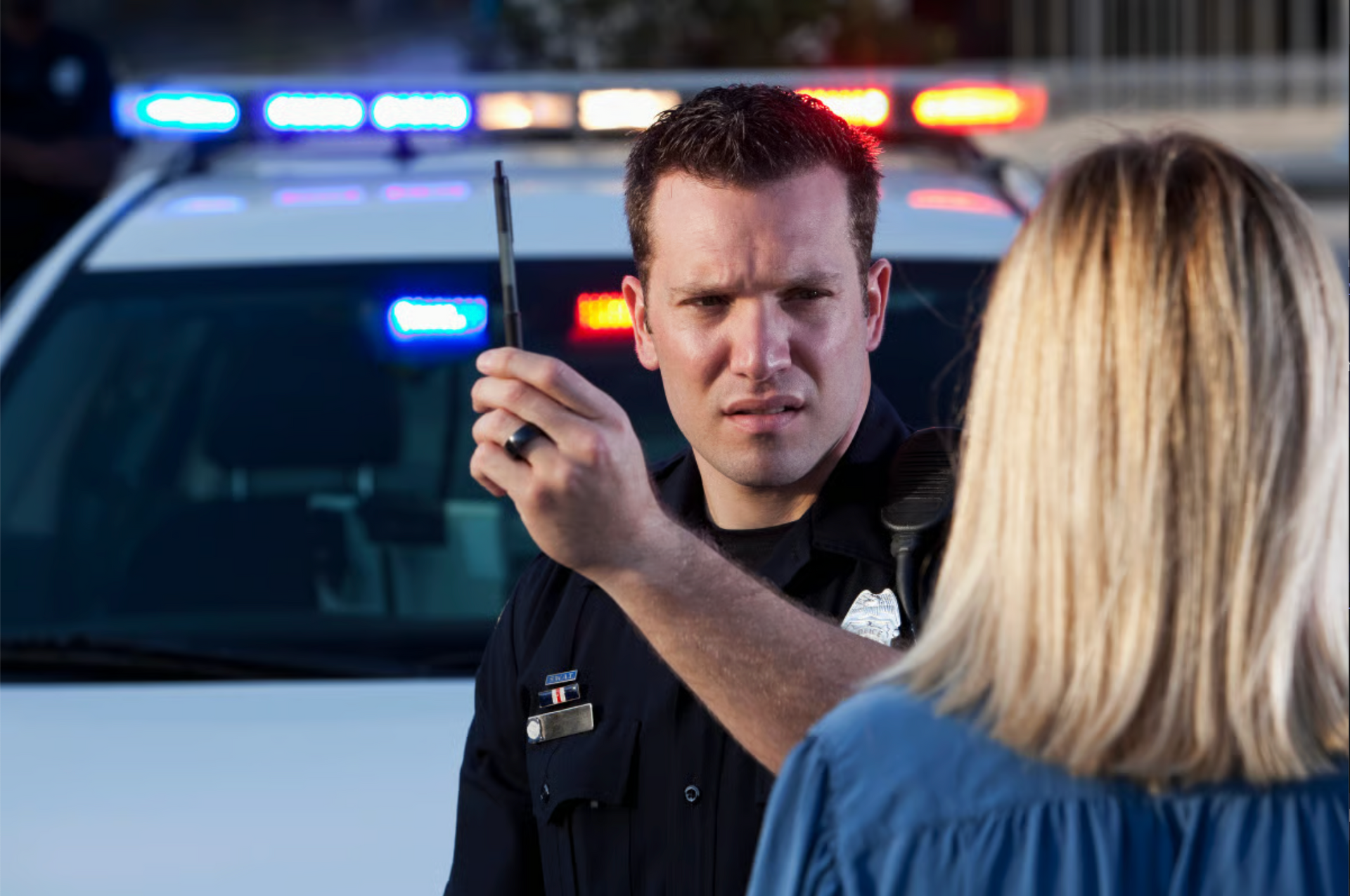
When Field Sobriety Tests Fail: What the Jury Should Know Field sobriety tests can shape the outcome of a DUI case, but they’re far from foolproof. Small mistakes, adverse conditions, and misinterpreted instructions often lead to unfair outcomes. A DUI lawyer in Troy, OH, knows how to turn that around.